


ACI World prioritizes the health and well-being of travellers, staff, and the public. The aviation industry is committed to protecting public health, maintaining safety standards, and preparing for future health crises.
To mitigate the impacts of communicable diseases and global health emergencies, ACI World collaborates with members, industry partners, and organizations such as World Health Organization (WHO) and International Civil Aviation Organization (ICAO) to monitor health risks, share timely information, and develop best practices.
ACI World also contributes to Collaborative Arrangement for the Prevention and Management of Public Health Events in Civil Aviation (CAPSCA), an ICAO-led collaboration supporting coordinated responses to public health events in aviation.
In parallel, ACI World recognizes the importance of promoting mental well-being among aviation personnel. To support airport operators, ACI World provides resources and examples to help address mental health in the workplace.
What ACI World's Health experts provide
How we support the industry
Mental Health at Airports
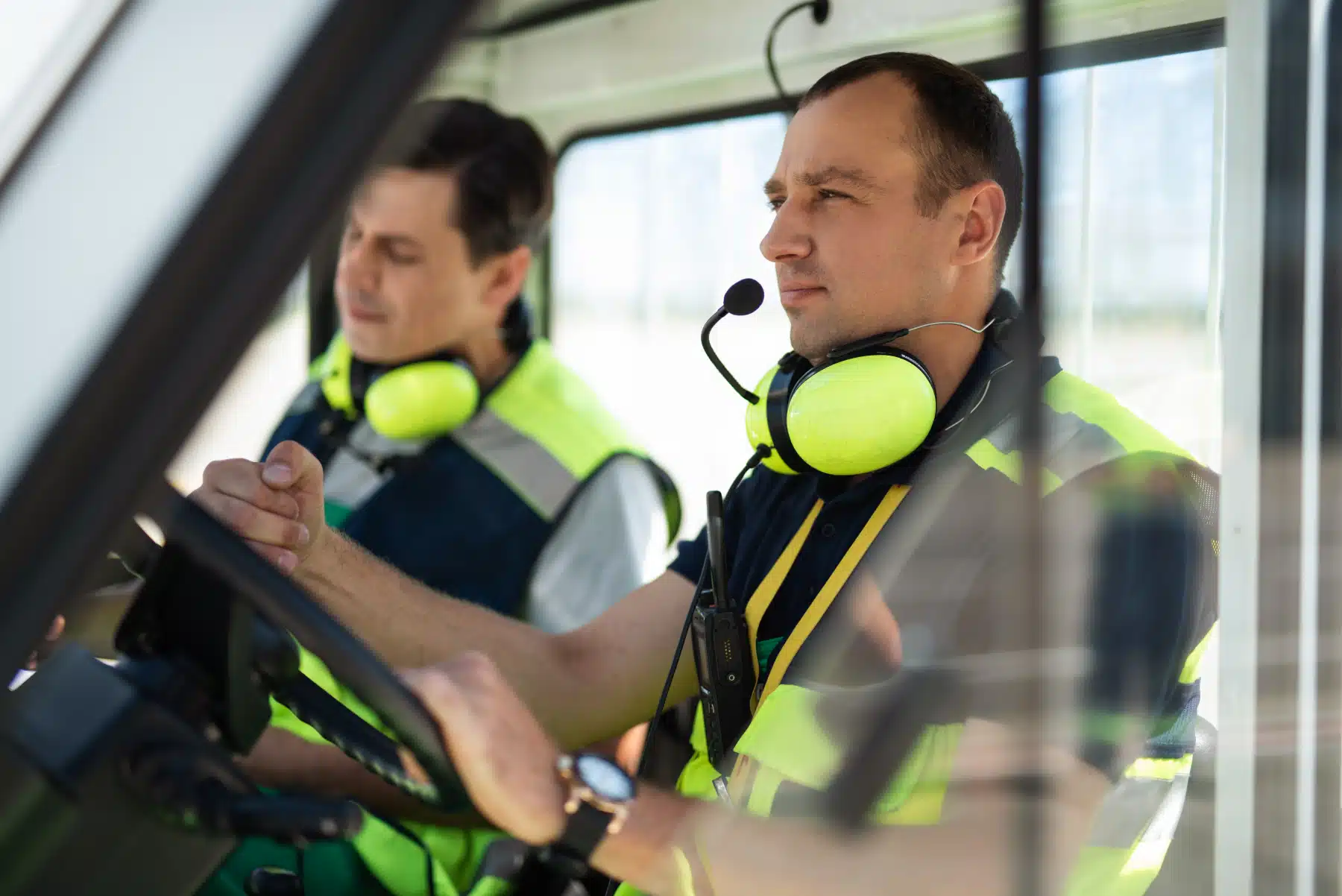
Airports are taking steps to implement structured mental health programs for employees, from front-line personnel to operations staff. A growing number of airports and their communities have introduced support programs to assist staff in coping with stress and other pressures.
ACI World has developed a quick resource guide to assist airport operators, by providing general information and examples of initiatives by other airports.

Airport Preparedness for Outbreaks of Communicable Disease
ACI World’s guidelines help airports improve their response to health-related emergencies and reduce exposure to communicable diseases at the airport by establishing mechanisms for rapid decision-making and action.
Key Health Resources

Public Health & Safety Readiness Accreditation
The Public Health & Safety Readiness accreditation program provides airports with an assessment that evaluates how aligned their public health and safety measures are with ICAO Guidelines, WHO recommendations and ACI best practices to develop proactive, common, and collaborative safe and hygiene measures.